
By Bob Hicks
Here’s the thing: If you’re an invading general with a roving eye, never invite a beautiful woman from the enemy city into your tent and then get so rip-roaring drunk you pass out.
Holofernes, this post’s for you.
Two intriguingly intertwined shows opened yesterday at the Portland Art Museum — The Bible Illustrated, maverick cartoonist R. Crumb‘s faithfully rendered graphic depiction of The Book of Genesis, and A Pioneering Collection: Master Drawings from the Crocker Art Museum, a gathering of almost 60 old-master drawings from the Sacramento museum’s impressive collections.
Friend of Scatter D.K. Row wrote vigorously in The Oregonian about Crumb’s project, and sometime in the next week or so the O will run my review of the Crocker exhibit. But first, let’s spend a little quality time with Holofernes, and Judith, and her faithful handmaiden, and one of our favorite Dutch artists, Hendrick Goltzius, an artist we admire so much we’ve featured him twice before: in this post about Hercules and baseball’s steroid scandal, and in this post about Wall Street’s bull and bear markets (we found his engraving of Icarus tumbling from the sky apropos).
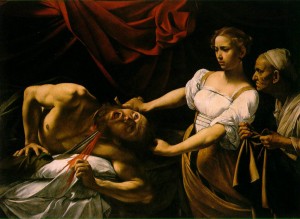 In brief: Holofernes, a star general for the Babylonian king Nebuchadnezzar, is laying siege to a city of the Israelites, and things are getting brutal. Alarmed and angry, Judith, an attractive young widow, sneaks out and into the enemy camp, where she charms Holofernes in his tent. She feeds him sweet cheeses, then gets him drunk as a skunk. While he’s sleeping it off she grabs his sword and lops off his head. When Holo’s army sees what’s happened it panics and heads for the hills. Judith saves the day!
This story has fascinated artists for centuries, and everyone’s version seems singular. Why draw and paint pictorially? Because representational art tells stories, and there are as many different ways to tell a story as there are storytellers. Caravaggio, a genuine genius with a notorious violent streak, concentrated (inset) on the gorgeously bloody deed itself.
 As a first step he’s set up a new site,
  No, we’re talking about theater awards season. The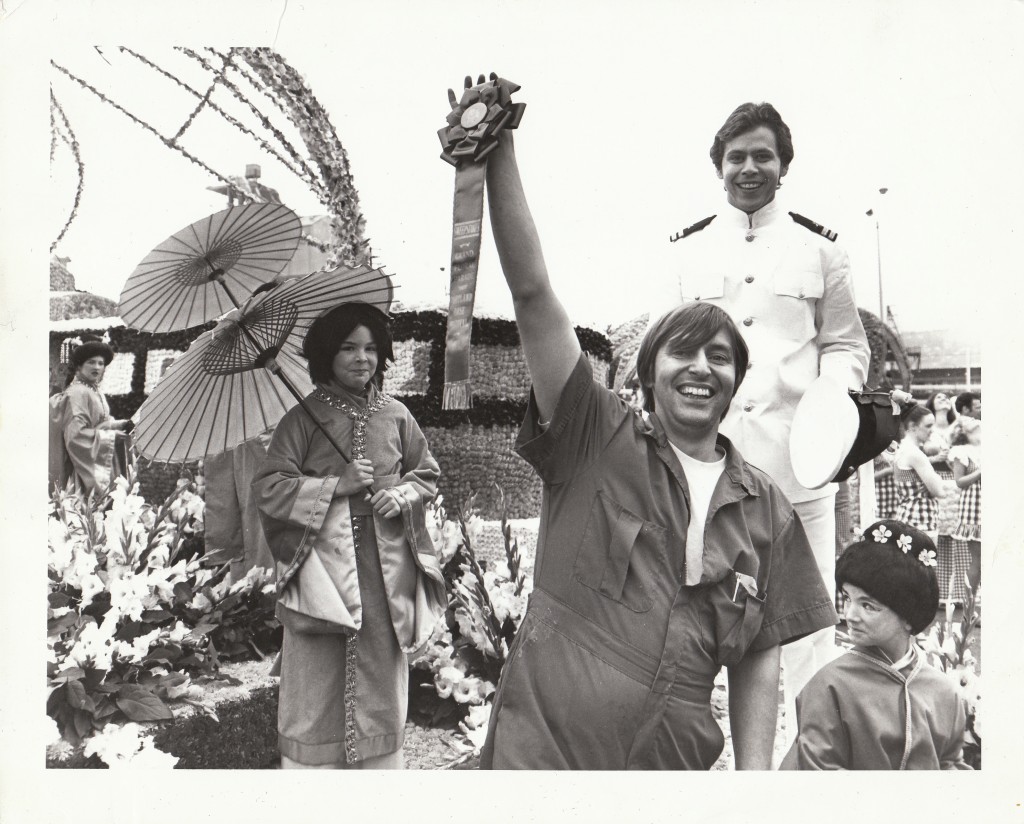
 Mr. Scatter suggested in The Oregonian that, historically speaking, the best qualifications might include a good beard (or at least a good shock of hair) and a cool-sounding name, like
 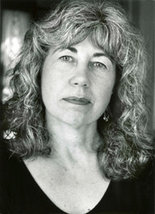 Petersen seems like an excellent choice, actually. A good poet laureate is, in a sense, an ambassador of the word, and Petersen stressed that point to the committee that recommended her. “Poetry is not the domain of just a few, nor the realm of the elite,” she said. “Poetry is as natural and accessible as heartbeat and breath.” In April, Jeff Baker
  This time he was working, covering the event for The Oregonian, and it turned out to be remarkable — well worth twisting and ducking twelve blocks through the crowds and police blockades for the Rose Festival’s
  Heald, the Broadway and Hollywood vet who gave it up to move to Ashland and join the acting company at the
 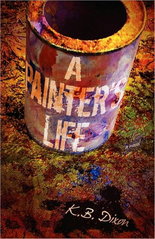 Between epic motorcycle trips and learned sessions with master brewers, Foyston’s been known to paint up a modest storm of his own. And Ken Dixon, who in the great long-ago wrote an occasional witty and perceptive art review for Mr. Scatter at a Large and Important Daily Publication, is a writer with a singular miniaturist approach to the puzzle of the written word. His books are wry and elegant, carefully measured for precise effect, and they maintain a sly satiric distance. At a time when the art world sometimes seems nearly strangled in a tangle of theory and jargon, even the name of Dixon’s artist-hero seems perfectly chosen: Christopher Freeze.
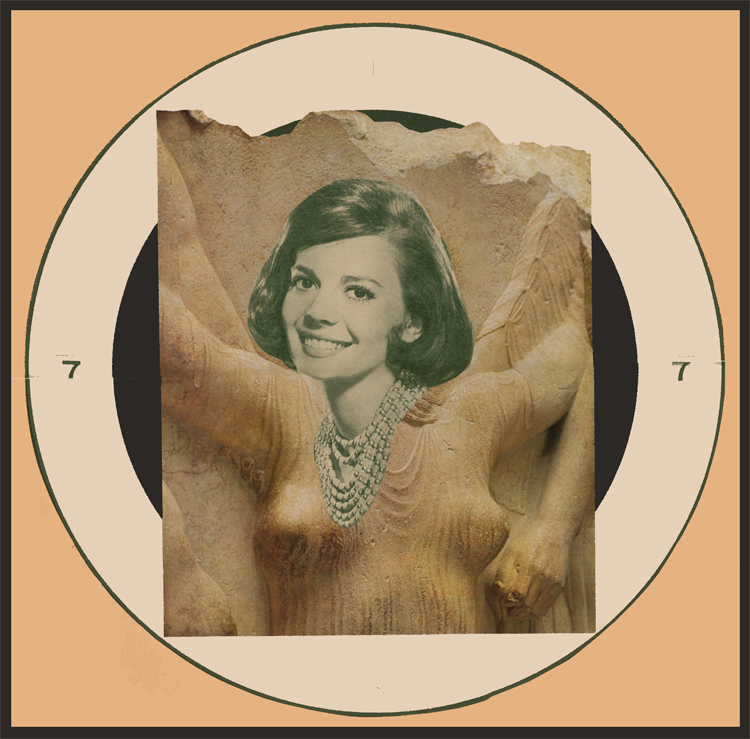
 Lake has a new exhibit of collages on view at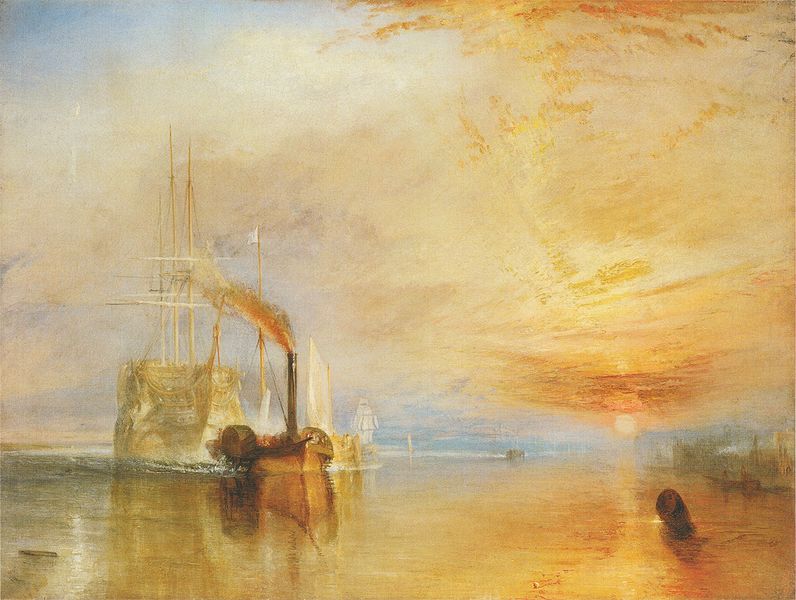
 A few more steps into the dining room is the small stereo system on top of which is cradled a sophisticated, powerful little green computing and storage device called an iPod. Ignoring this more recent communications miracle, he’s fed the system a small bright disc that, powered up, fills the room with sounds that the great bassist and composer